
ECOA AI acts as the organizational layer that connects multiple AI coding agents to our human engineers. Think of it as the ‘company infrastructure’ for AI agents — it handles scheduling, task delegation, budget control, and monitoring. AI agents (Claude Code, Codex, Cursor) handle repetitive coding tasks like boilerplate generation, bug detection, and documentation. Human engineers focus on architecture, design decisions, and complex problem-solving. Every action is logged in an immutable audit trail. When an agent’s token budget is hit, work pauses automatically. You get complete transparency and control.
How does the ECOA AI integration actually work?
By ECOA AI Editorial Team
•
May 6, 2026
•
3 min read
Continue Reading
Related Articles
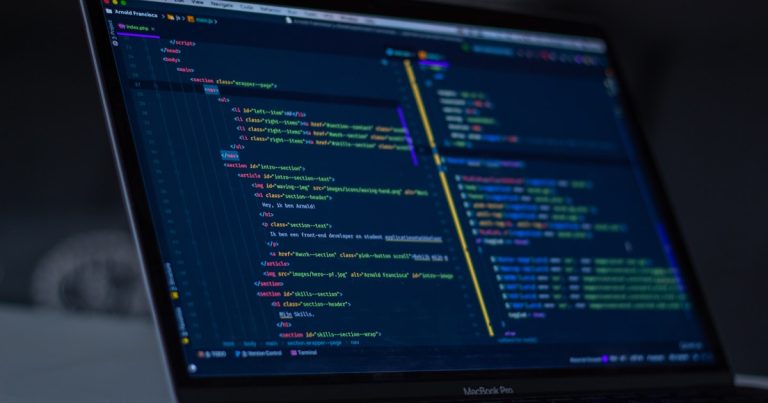
ECOA AI Platform ACP in Production: Deploying Multi-Agent AI Systems at Scale — A 2026 Field Guide
TL;DR ECOA AI Platform ACP (Agent Communication Protocol) is becoming the industry standard for multi-agent orchestration in production,…
Kubernetes + Docker: A Practical Guide for Vietnamese Development Teams
Container orchestration is essential for modern software delivery. This guide walks through our standard Kubernetes setup, optimized for…
How We Use GitHub Copilot, Claude Code, and Cursor Together for Maximum Productivity
Why choose one AI coding tool when you can use multiple strategically? Here’s how our team leverages GitHub…
Ready to Build with AI-Powered Developers?
Hire Vietnamese engineers augmented by ECOA AI Platform + Claude Code. 5x faster, 40% cheaper.